
Duppi
Duppi — A Living Tradition of the Uzbek People
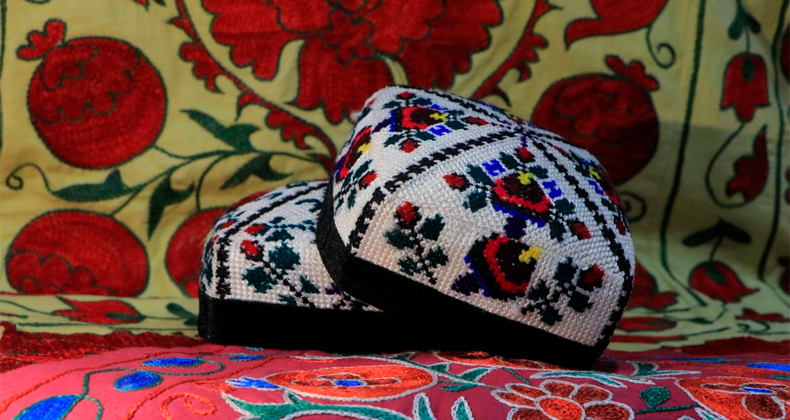
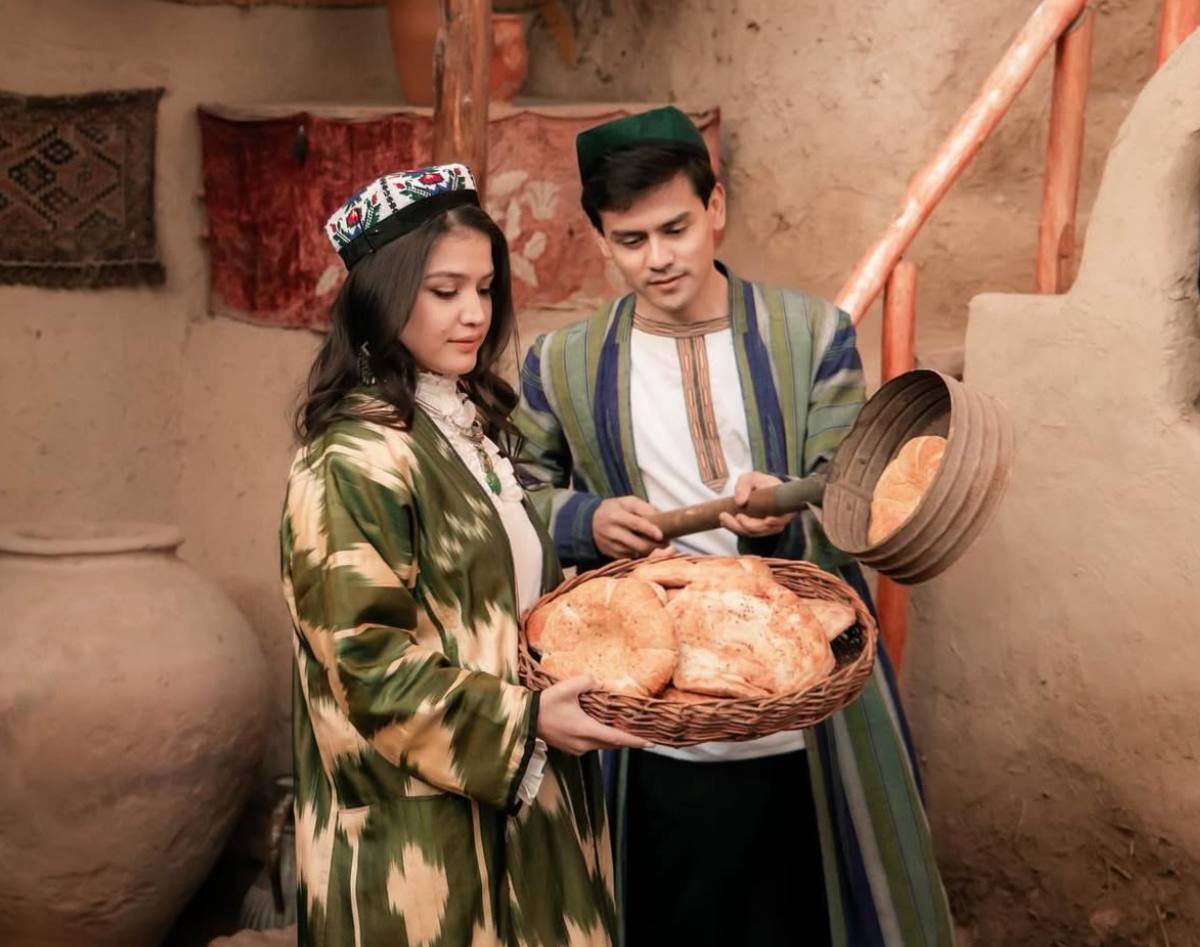
The duppi is one of the most iconic elements of the traditional Uzbek costume and is worn throughout all four seasons of the year. Although the exact origins—time and place—of the duppi remain uncertain, historical evidence suggests that pointed, conical headwear similar in form to the duppi has existed since ancient times. According to researchers, round and flat variants of the duppi became widespread much later, approximately during the 1820s.
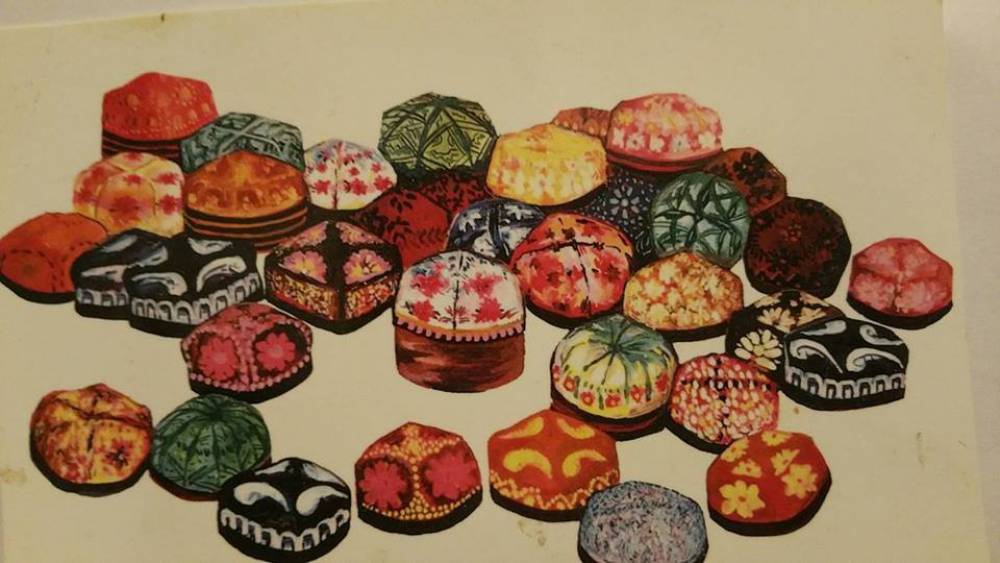
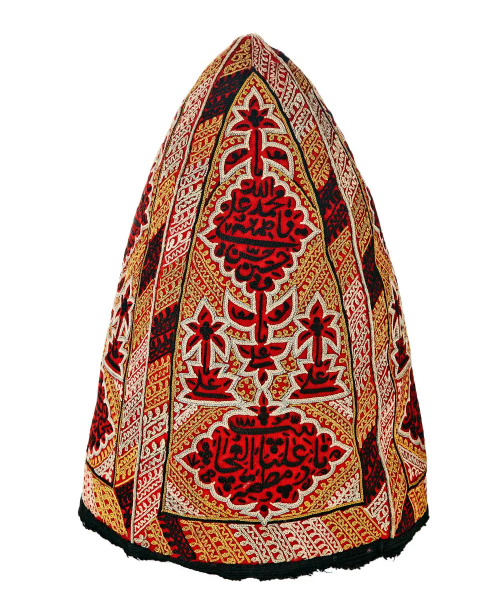
In the Fergana Valley, this headpiece is commonly referred to as duppi, while in other regions of Uzbekistan—especially in spoken language—the term toppi is often used. There are three primary types of duppi: the pointed, conical kuloh; the round, dome-like araqchin; and the flat, level-topped tus duppi.
 |
 |
The kuloh, regarded as the oldest male headwear, was traditionally worn by dervishes. It is sewn from triangular pieces of fabric aligned diagonally and has an understated lower edge that contributes to its modest silhouette. Particularly notable are the vividly colored, cross-patterned conical hats found in the regions of Shakhrisabz, Nurata, and Bukhara.
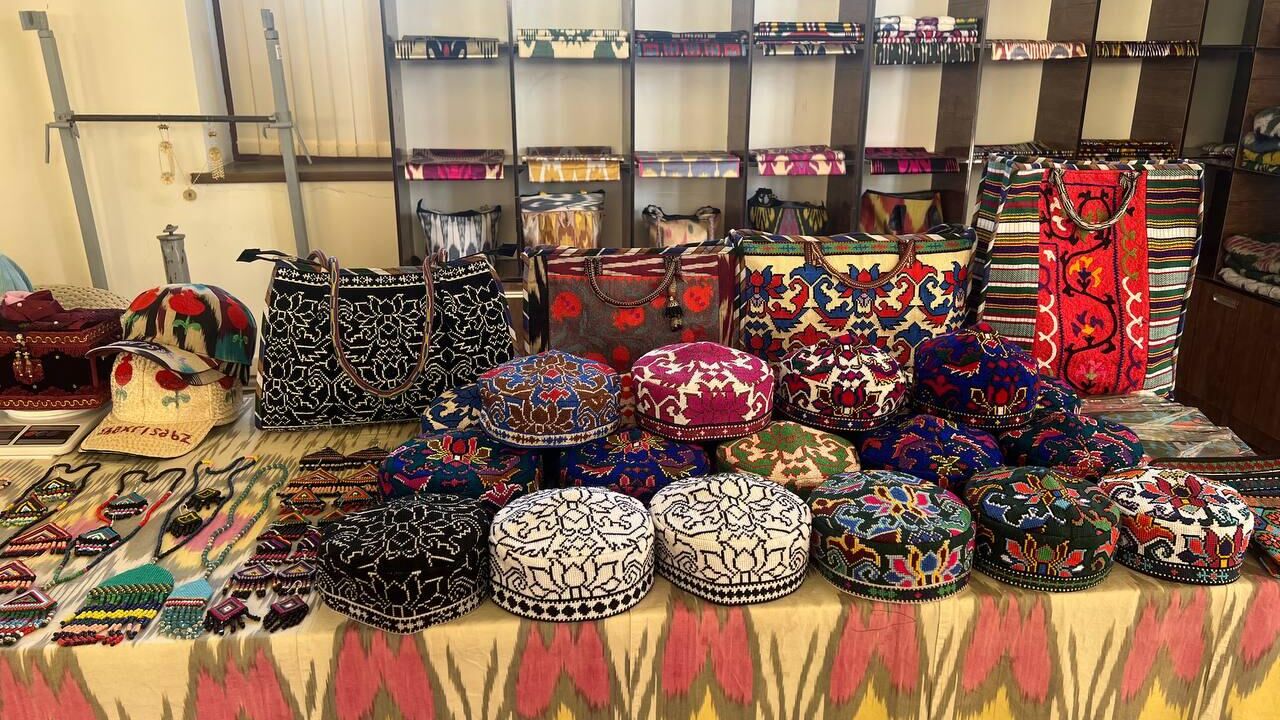
Among the round duppis, the Urgut duppi stands out for its festive appearance and vibrant design, making it a favorite for celebratory occasions. Across Uzbekistan, each region—and even each district—produces duppis in styles that reflect its unique cultural traditions and aesthetic values. For instance, in rural areas of Surkhandarya, duppis are made using the piltadozi embroidery technique, featuring designs reminiscent of Kazakh woven mats known as chiy.
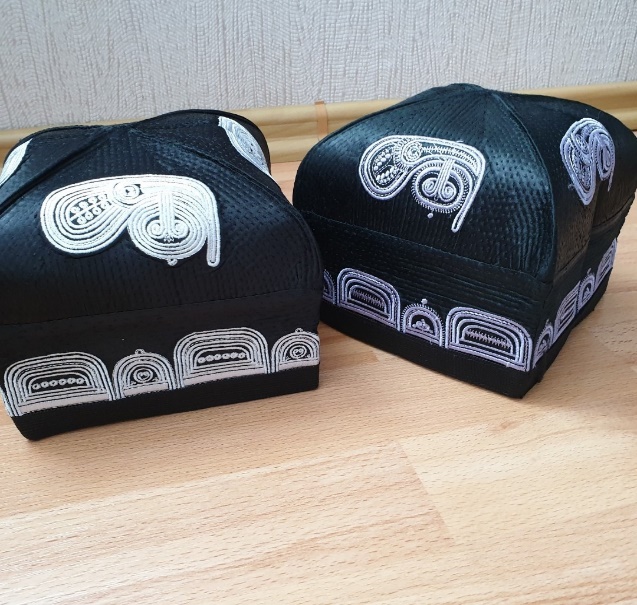
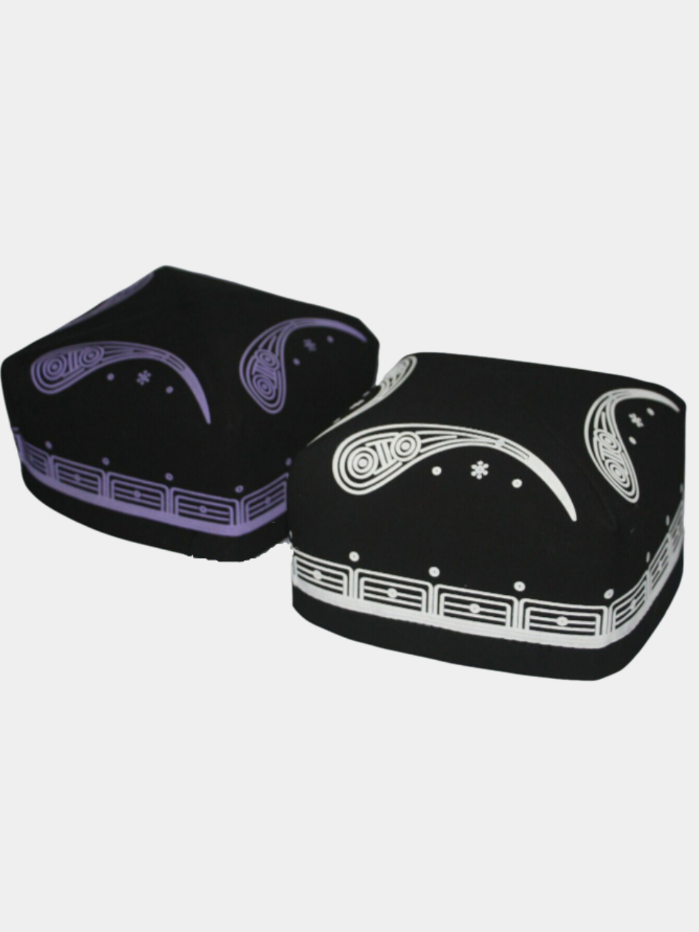
In Tashkent, a cultural event called the "Do‘ppi Party" is held regularly to celebrate this rich tradition. Here, round duppis are crafted by skilled embroiderers using techniques such as bosma, iroqi, kanda khayol, and chakmatur. Duppis from the Fergana Valley, along with reconstructions of ancient headwear, are often designed in styles reminiscent of traditional forms from Khorezm and Mongolic cultures—typically flat, square, and pointed. The Chust and Margilan duppis are among the most widespread forms of flat duppi.
The Art of Decorating Women’s Duppis
Women’s duppis are lavishly decorated with intricate images of flowers, fruits, and birds. Among floral motifs, roses, carnations, tulips, asters, peach and apple blossoms are the most frequently used. Popular fruit designs include pomegranates, cherries, almonds, and chili peppers. These decorative elements are typically placed on the top and sides of the duppi, with great attention paid to the fine details of each motif.
Birds also play a significant role in duppi ornamentation, with depictions of hens, roosters, and nightingales commonly found. The artisans’ pursuit of beauty and perfection elevates their craftsmanship beyond mere utility, transforming it into a true form of art worthy of admiration and academic study.